
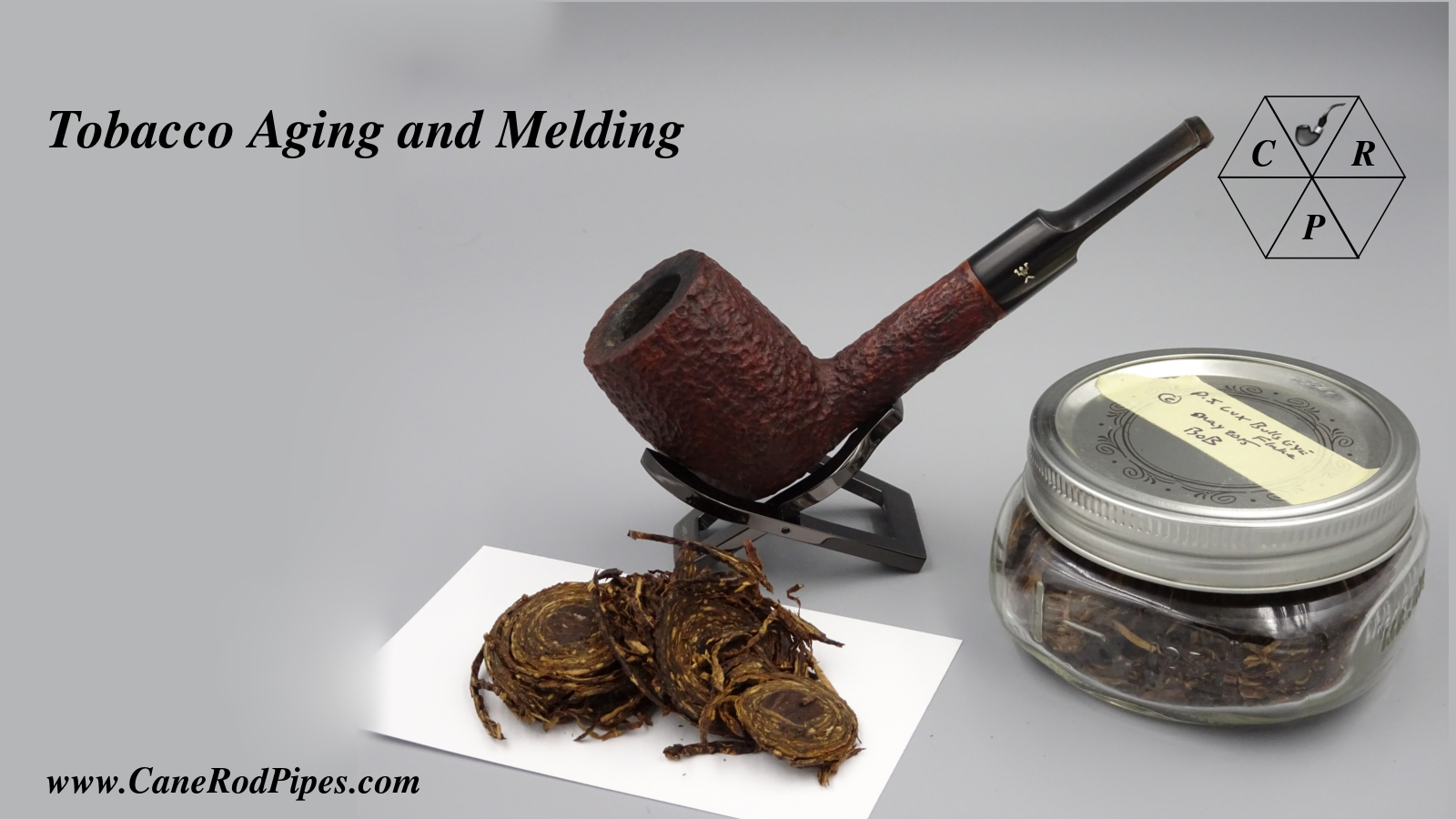
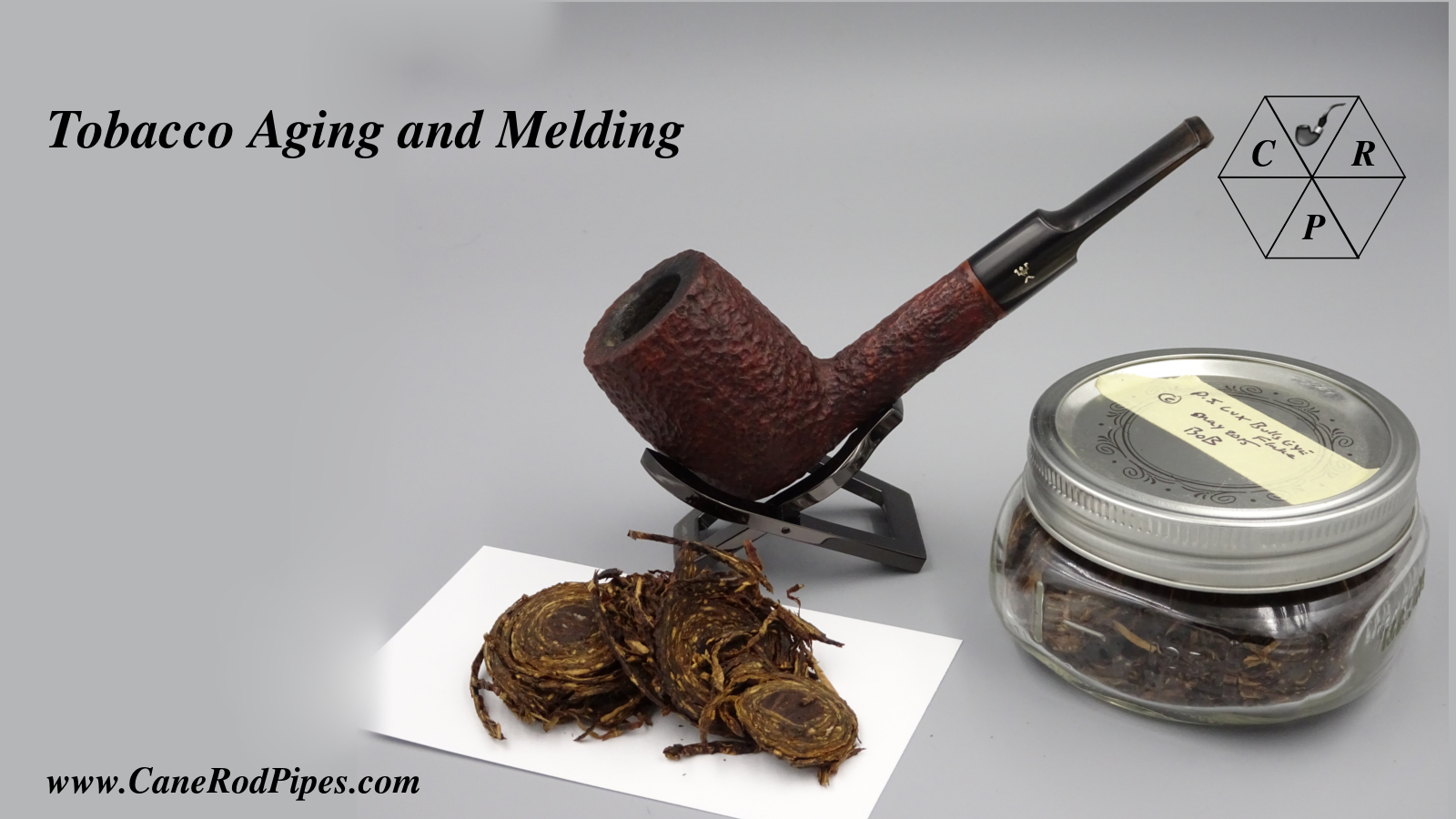
 As I write this I am smoking a bowl of Petter Stokkeby Luxury Bullseye Flake (LBF) in a large Hercules billiard. I like LBF as a change of pace from my usually burley-laden rotation and often find myself smoking it in the spring. It has just enough perique, and the black cavendish smooths the VaPer into a delightful sweet and sour treat. I keep a fair amount of this blend cellared, and the jar I am now smoking was purchased in May of 2015. Not terribly long ago, but seemingly enough to make a difference.
I recently purchased a few ounces of LBF to replace this jar in my cellar and sampled a bowl straight from the vendor. It was good, but not as good as this ~3 year old tobacco. The perique was bit sharper, and the Virgina was more tangy and bright. It was far from bad, but just did not give me the same level of enjoyment. So what happened in those 3 years?

Tobacco aging is a complex topic and one that folks seem to love to argue over. You can find experts suggesting that burley does not benefit from aging, and others that say it does. Some say that aging ruins Latakia, others say that it mellows wonderfully. Even the mechanics of cellaring are debated with some saying that it is necessary to leave ample space in your jar to allow for the magic aging process to occur, while others will tell you that vacuum sealing is the best way to age tobacco. No one seems to agree on anything!
Not a lot of science has been done around the topic of tobacco aging. One are that has recently been debunked is the concept of “bloom” or “plume” or “crystals.” Folks will open old tins or jars of tobacco and proudly show off the “sugar crystals” that have formed from the aging process. Cigar smokers are equally proud of the small white marks that develop on their smokes. Well, if you are one of the folks that proudly smoke your sugar coated aged tobacco I have bad news for you; that ain’t sugar!
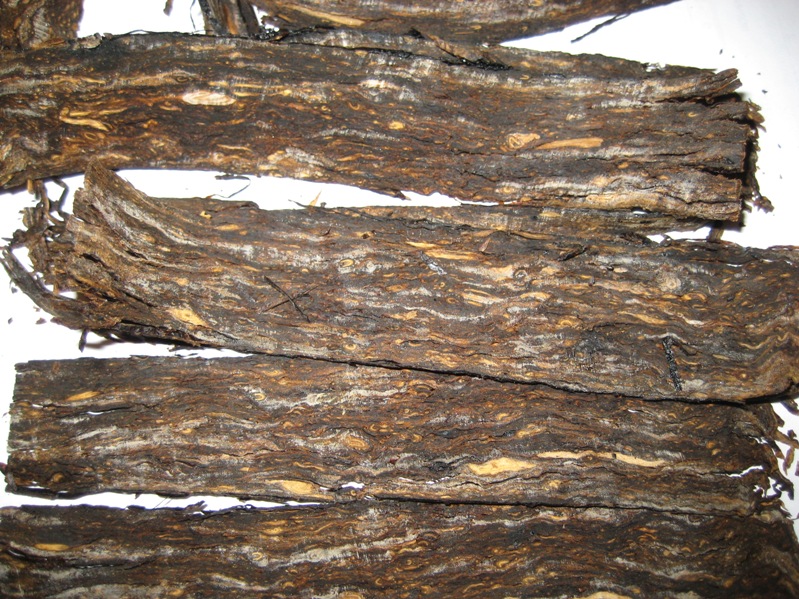
Some guys over at Friends of Habanos decided to put the whole cigar plume thing to the test. They collect samples of cigars with plume and submitted them to a lab for analysis. In every case, the samples were identified as fungal in nature. They extended their study to include some aged pipe tobaccos that exhibited crystals, and once again every sample was either mold, or in a few cases bacteria. You can read about the study and reactions here. Be sure to go to page 6 where the pipe tobacco study is described.
Now before you panic and empty you humidors and toss your pipe tobacco, keep in mind that people have been smoking this stuff for a long time with no apparent ill effects. It is unlikely that anything even remotely biohazardous could survive the heat of combustion. But at the same time, you need to realize that the crystals and spots are not signs of quality aged tobacco. So what does the aging process do to improve the smoke?
One possibility is fermentation of sugars. This is what provides a faint vinegar scent to some aged tobaccos. I say faint because the chemistry/biology involves the fermentation of sugar into alcohol by yeast, and then a secondary bacterial fermentation in which the alcohol is converted to acetic acid (aka vinegar). To get the vinegar doused McClelland experience without adding vinegar to the tobacco would require a rather high alcohol and bacterial content. Sugar will burn hot and produce some sharpness in the smoke, so fermentation may help to mellow the qualities of the tobacco. But this is unlikely to be the primary aging process. Also note that our friends mold (yeast) and bacteria play a central role in the process.
The other thing that definitely occurs with all blends is a melding of flavors. This poorly defined process involves the equilibration of the mixture, and possibly the transfer of some volatile flavoring components from one leaf to another. I can’t give a chemical formula for it, but I believe that most pipe smokers have experienced it happening. One of my favorite bulk C&D blends, Old Joe Krantz, often arrives in what I consider to be an unsmokable form. It is harsh and overwhelming. But after just a few weeks in a jar it becomes a wonderful smoking blend. I believe the same is true for the LBF. It just takes a bit of time for the flavors to settle and for them to begin to work together.
So give your tobacco some time to meld and see if you notice a difference. And the next time you try a new blend and find it harsh, jar it up for a few weeks and revisit it. You just might find a new favorite.
Here come the tobacco hoarders and their hate comments! No one’s gonna diss their “sugar plume”!
Lol. Another great blog Mike, please keep up the great work!
Yes, I’m waiting for it 🙂 Thanks for reading!
Mike I Have found the same thing I bought a tin of Bayou Morning and Telegraph Hill I could not stand niether one of them (to harsh for me) when I first opened them They now have 8 or 9 month on them I tried both recently the Bayou Morning went through a huge change and was so good I put the cap back on and will let it age more. The Telegraph Hill has changed but is still to harsh so I put the top back on and am hoping for a bigger change in this blend also.
Great Bog
Thanks! I am glad that your experience is similar and that you were able to enjoy the Bayou Morning. That is a great blend!
I don’t know much as I am only 4 years into this “sport” but my preference for almost all VA.’s is at least 3 years of age. As far as English outa the can is great. Great topic
Thanks Allan, It seems you know what you like, and that is often the hardest thing to learn!
Do the tobaccos age in the original tins or is it better to transfer them to jars?
“Old Joe Krantz, often arrives in what I consider to be an unsmokable form. It is harsh and overwhelming. But after just a few weeks in a jar it becomes a wonderful smoking blend.”
Hi Rick, I don’t think it matters if it is in the tin or a jar. The main reason you might want to keep tobacco in a tin is if it already haves a number of years of age on it. People believe that opening the tin halts the ageing process and basically re-starts the clock. The down side is that some tins can loose their seal over time. So jars are safer in the long run.